Choosing a bathroom floor tile can feel like solving a puzzle especially in Melbourne’s ever-changing weather. Picture this: you step out of a hot shower onto the cold tile and boom the wrong choice and you’re doing an impromptu dance to avoid slipping. Nobody wants that, right? In this guide, we’ll walk you through everything from slip-resistant safety to the latest Melbourne bathroom tile trends. By the end, you’ll know exactly how to pick a bathroom floor tile that’s safe, stylish and perfect for Australian homes.
Bathrooms are one of the wettest spots in your house. That means the safest floors have to be waterproof and non-slip. In Australia, slip-resistance is measured by the standard AS 4586. Think of it like shoe grip ratings, but for tiles. A higher P-rating means a tile stays grippier under water. Melbourne bathrooms see their fair share of wet feet and stray shower spray, so opting for a tile with a good AS 4586 slip-rating is smart. We’ll cover what ratings are needed and why.
But safety is just one piece of the tile puzzle. Melbourne’s design-savvy homeowners also want floors that look amazing and tie in with the latest styles. From warm natural stone-look porcelains to playful geometric patterns, Australia’s tile trends have personality. We’ll talk about design ideas that make small bathrooms feel spacious and large bathrooms feel cozy. Plus, we’ll break down the key National Construction Code (NCC) requirements (set by the Australian Building Codes Board) so you know your choice meets all regulations. By the end, you’ll be ready to tile with confidence and maybe even a smile on your face.
Key Factors to Consider
Before you grab the first pretty tile you see, pause and think: What really matters in my bathroom? It’s not just about looks; the best bathroom floor tile checks off several boxes:
Material & Durability: Choose tiles built for moisture. Porcelain and ceramic are top picks in Aussie bathrooms. Porcelain is fired at higher temperatures, making it denser and less porous (it absorbs <0.5% water). In practical terms, porcelain is harder to chip and more water-resistant, so it’s ideal for high-humidity bathrooms. Ceramic is easier to cut and install, making it a practical option for many bathroom tile renovation projects. It is available in a wide variety of colours, finishes, and styles, allowing homeowners to create attractive bathroom tile flooring that complements different interior designs. Think of porcelain as the tank of tiles tough for wet areas.
Slip Resistance: Don’t skimp on safety. Look for tiles with a P-rating (pendulum test) of at least P3 for barefoot wet areas. Rough or matte finishes give better grip. After all, the bathroom floor should never feel like an ice rink. Remember, Australian standard AS 4586 classifies how slippery a tile is when wet. We’ll dive deeper into slip ratings next.
Water Resistance & Installation: The best tile is only as good as its installation. Your floors and walls need proper waterproofing first. The Australian Standard AS 3740 governs wet-area waterproofing. Even the grout and under-tile waterproof membranes must be top-notch to stop leaks and mould. Choose tile grout and adhesives rated for wet areas, and always follow AS 3740 guidelines.
Aesthetic & Size: This is where personal style shines. Do you love warm, textured tiles or sleek modern looks? In Melbourne, rich textures and earthy tones are trending. Light-coloured tiles or large-format tiles (e.g. 60×60 cm or bigger) can visually expand a tight shower or ensuite. And yes, your floor doesn’t exist in an isolation plan to coordinate with your bathroom wall tiles and décor for a cohesive look.
Maintenance & Long-Term Performance: Finally, think about long-term performance and maintenance. High-quality Bathroom Floor Tile options are designed to withstand daily use while maintaining their appearance for years. Porcelain is particularly valued for its strength and moisture resistance, making it one of the best bathroom floor tiles for busy households. Ordering a few extra tiles is a practical way to account for future repairs or replacements if needed. Professional bathroom tiling and correct installation also help ensure a durable, attractive finish that performs well over time.
Each of these points deserves consideration. For example, if your household includes young children or older family members, non-slip safety might edge out pure style in importance. If you’re on a budget, a mid-range ceramic tile with a good finish can still look amazing. Ultimately, the “best” tile ticks all the boxes that matter to you and your bathroom’s specific needs.
Choosing the Right Material: Porcelain vs Ceramic
When most Australians think of “floor tile”, porcelain and ceramic come to mind first. Here’s how they compare in bathroom use:
Porcelain Tile: It’s a subtype of ceramic but made from finer clays and fired at higher temperatures. The result? A hard, dense tile that absorbs virtually no water (<0.5%). That means spills and moisture are less likely to penetrate and cause stains or warping. Porcelain is also more resistant to chips and cracks, making it a workhorse for wet areas and high traffic. It can mimic stone, wood or concrete, giving a luxe look in any bathroom. The downside: it costs more and is tougher to cut, often needing professional installation with special tools.
Ceramic Tile: Made from natural clays, ceramic is fired at slightly lower temperatures. It’s generally softer and more porous than porcelain. A glazed ceramic can still handle bathroom floors, but it won’t be as tough as porcelain. Ceramic’s edge is its price and ease of DIY installation it’s easier to cut and shape on the fly. It also comes in endless colors and patterns. For floors, make sure any ceramic tile has a good glaze and is rated for floors (look for “F-rated” or first quality ceramic tiles tested per AS/NZS 4662). Some cheaper ceramics might chip under heavy use, so they’re better for low-traffic areas or accent zones.
Natural Stone (Granite, Marble, Slate): These bring a high-end, unique look. However, they require sealing to resist water and stains, and they can be slippery when polished. Generally, pure porcelain or ceramic is the safer, low-maintenance bet for Melbourne bathrooms unless you’re ready for extra care.
Specialty Tiles (Terrazzo, Cement-look, Wood-look): Modern porcelain varieties can replicate these looks. For example, wood-look porcelain gives your bathroom the warmth of timber without warping from water. Terrazzo-look tiles add speckled interest. These have similar care to regular porcelain, just pick a slip-resistant finish if they go on the floor.
In short, if durability and moisture resistance are top priorities (as they often are in bathrooms), porcelain usually wins. If budget or DIY is key, a high-quality ceramic can still do the job, especially on walls or light-traffic floors. Many Melbourne pros lean porcelain for floors and use ceramic on walls or easier-to-reach areas. The Amber Tiles guide sums it up nicely: “Porcelain absorbs less than 0.5% moisture, making it highly suited to bathrooms… Ceramic is more porous, better suited to indoor walls and lighter-use floors.”.
It’s also worth noting tile size and shape options. Porcelain and ceramic come in everything from tiny mosaic bits (20×20 mm) to massive slabs (1 m+). Larger tiles mean fewer grout lines and a cleaner look; they can make a bathroom feel more spacious. However, very large tiles need a very flat subfloor for perfect installation. Smaller tiles (like mosaics) allow more flexibility on slightly uneven floors but require more grout maintenance. A popular trick in Melbourne is a mix: large 60×60 or 75×75 cm tiles across the floor for an open feel, then a patterned or smaller mosaic inset for visual interest around showers or niches.
Non-Slip and Waterproofing: Safety First
In a bathroom, beauty must meet safety. After all, what good is a stunning floor if it turns into a slip hazard when wet? The key word here is slip resistance. On any tile product description, look for an AS 4586 slip-rating or P-rating. For residential bathrooms, a P3 rating or higher is usually recommended, especially in the shower or bathtub area. P4 or P5 is ideal if you want extra grip. Matte or textured tiles naturally score better than high-gloss finishes for slip resistance. Some tiles even have micro-ridges or tiny non-skid particles built in.
It might seem picky, but consider this: the Australian Building Codes Board (ABCB) and research bodies point out that slips and falls are a major home safety risk (especially on wet surfaces). The advice? Use flooring that meets safety standards, and pair it with good design (like shower hobs or screens) to contain water. In other words, pick non-slip bathroom floor tiles to give everyone (kids, grandparents, yes even you at 2 am) some peace of mind.
Equally crucial is waterproofing under and around the tiles. Under the National Construction Code (NCC) and AS 3740 standard, your bathroom is classified as a “wet area”. That means any splash-zone (like shower floors, around baths, and at least 150 mm up walls outside showers) must have a proper waterproof membrane before tiling. AS 3740 specifically “details specific materials, installation methods, and coverage requirements” for wet-area waterproofing. In plain English: don’t just slap tiles down.
You need sealed gaps, flexible corners (bond breakers), and water-resistant grout or sealing. Otherwise, hidden water leaks can rot subfloors or cause mould (expensive nightmares later). Even for floor tiles far from the shower, a floor fall (slope) to a drain is usually required (often 1:80 or 1:100).
If any of this sounds like alphabet soup, remember one rule: “Neglecting waterproofing: Repairs are far more expensive than doing it right the first time.”. A quality tiler or waterproofing specialist (look for someone licensed by the Victorian Building Authority) will ensure compliance. For you, it means the chosen waterproof bathroom floor tiles will perform well and your bathroom stays leak-free. In a Melbourne home, that also means you can confidently mop the floor or use warm water without worrying about hidden damage.
Design Trends and Tile Ideas
Now that we’ve nailed down the practical must-haves, let’s have some fun. Melbourne homeowners love to infuse personality into their bathrooms. The big trend for 2026? Warmth and texture. Think layered surfaces, natural stone effects, and earthy colours. Gone (for now) is the cold minimalism; instead, textured tiles and terracotta-inspired tones are in vogue. A gallery wall of different tiles mix matte with gloss, large formats with tiny mosaics can make your bathroom feel boutique-chic.
For example, textured feature tiles on one wall can be a statement, while matching large-format floor tiles keep the space from feeling busy. The Tile Warehouse team notes that Australians are embracing “tactile, layered textures that feel natural and inviting.”. That could mean a wood-look tile paired with a smooth sand-coloured floor, or a matte black hexagon pattern offset by creamy terrazzo accents. Melbourne’s indoor-outdoor design culture also means people like tiles that blur the boundary: a sand-coloured porcelain that looks like sandstone, making the bathroom flow onto an outdoor patio.
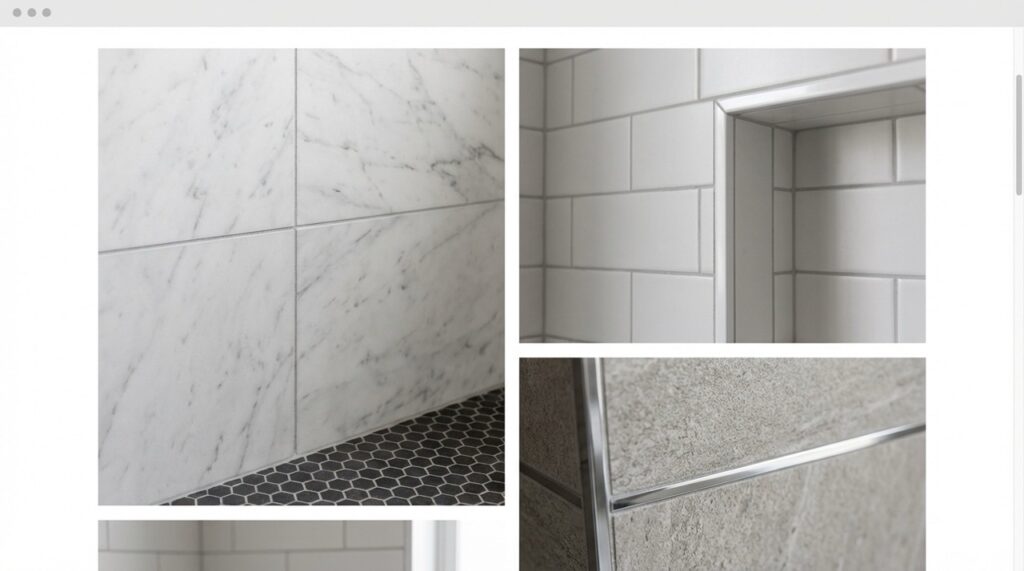
If you want a safe bet that never dates, try classic black-and-white patterns or warm greys. In small bathrooms, pale colours reflect light and enlarge the feel. White subway tiles with contrasting grout on the walls, plus a pale grey floor tile, is a timeless look with a modern twist. If colour is your thing, a deep navy or emerald green floor tile with soft matte finish can really pop against white walls. Just be careful: dark floors show soap scum more, and bright tiles can tire the eye if too bold.
Also consider coordinating your wall and floor tiles. You don’t have to match them exactly, but complementary tones (like a sandy floor and a taupe wall) tie the room together. Or go bold: the same tile on the floor and a splash of the wall (especially in a wet zone) for a seamless look. For instance, a walk-in shower with one accent wall clad in the floor tile’s sister-colour ceramic can visually expand the room.
Finally, don’t forget the texture underfoot. Grooved or honed finishes might catch a little more dirt, but they help with grip and reduce that cold-shiny feel. Some tiles even mimic carpet textures cozy but 100% tile. Melbourne designers love mixing old and new: vintage-look patterns (floral or Victorian geometrical) are back on feature walls. Imagine a single wall in a patterned tile (Tappeto style) and the floor in a solid matte tile the floor supports the design without overwhelming the senses.
Planning Your Bathroom Tile Renovation
Choosing the right Bathroom Floor Tile starts with careful planning and informed decisions. Selecting suitable materials, coordinating with bathroom wall tiles, and working with experienced professionals can help create a functional and stylish space. Whether you’re exploring modern or classic bathroom floor tile ideas, thoughtful preparation contributes to a successful bathroom tile renovation.
Choose High-Quality Materials: Select porcelain or ceramic tiles that suit your design preferences and performance needs. Durable materials provide reliable waterproof bathroom floor tiles and long-lasting results. Spending on quality pays off, but the top end (like imported Italian porcelain) isn’t always necessary. Australian brands (Amber, Beaumont, National Tiles) offer stylish yet affordable ranges.
Order Extra Tiles: Tiles can have shade variations between batches. Buying 10–15% extra covers mistakes or future repairs, so you won’t need to hunt down the same batch later at premium prices.
Larger Tiles Save Labor: Larger tiles cover more area with fewer grout lines, meaning tilers work faster. As Chumz Tiling advises, “use larger tiles they cover more area with fewer grout lines, reducing labour time”. Fewer cuts also means less waste.
Simple Layouts: Complex patterns (herringbone, intricate mosaics) add labour cost. A straight grid or brick stagger is quicker to lay. Save fancier patterns for small accent areas if you love them.
Bundle Services: If possible, hire a tiler who also does the waterproofing. Some contractors offer a package deal for completing both, which can trim costs. It also ensures one team knows exactly what the other did (no finger-pointing).
Plan Ahead: Decide on style and materials before quoting. Changing tiles mid-job (after waterproofing done) is costly. Stick to your plan to avoid rushed reorders and extra work.
Every bathroom tile renovation is unique, with requirements depending on the room layout, tile selection, waterproofing needs, and installation methods. Planning these details in advance helps achieve a smooth renovation process and ensures your Bathroom Floor Tile performs well for years to come.
Finally, beware of “too good to be true” deals. A cheap quote might skip essential prep or use second-grade tiles. Investing a bit more in quality tiling work usually avoids the headache (and cost) of fixing issues later. Remember, this is one renovation you want done right the first time.
Conclusion
Choosing the perfect bathroom floor tile in Melbourne is about balancing form and function. You want something that looks great with your style whether that’s warm, textural tiles or sleek, minimal porcelain but also meets safety and durability needs. Key takeaways: go for quality material (porcelain is a safe bet for wet areas), make sure the tile has good slip resistance (AS 4586-rated), and follow Australian waterproofing standards (AS 3740 and the NCC) when installing. In small bathrooms, use light colours and larger tiles to open up the space. And don’t forget to budget wisely: order extra tiles, keep layouts simple, and plan your project fully to avoid hidden costs.
By keeping all these factors in mind material, slip-resistance, waterproofing, design trends, and budget you’ll end up with a bathroom floor that feels safe underfoot and looks fantastic. Whether you’re renovating or just refreshing, the right tile choice can make your Melbourne home both stylish and comfortable.
Ready to transform your bathroom? Contact Global Tiling Company today for expert guidance and professional bathroom tiling services. Our Melbourne specialists can help you choose the ideal Bathroom Floor Tile, recommend practical bathroom floor tile ideas, and deliver a high-quality installation that enhances both style and functionality for years to come.
FAQs
What is the best bathroom floor tile for Melbourne homes?
Porcelain tiles are a popular choice for Melbourne homes because they are durable, water-resistant, and easy to maintain. They perform well in high-moisture areas and can handle daily wear. Choose a slip-resistant finish for added safety in bathrooms.
Do I need non-slip tiles on my bathroom floor?
Yes, non-slip bathroom floor tiles are highly recommended to improve safety and reduce the risk of slips. Tiles with a textured or matte finish provide better grip in wet conditions. They are especially useful in family bathrooms and shower areas.
Can I use the same tile on bathroom walls and floors?
Yes, using the same tile on both walls and floors can create a seamless and modern look. Just make sure the tile is rated for floor use and offers adequate slip resistance. This approach works particularly well in smaller bathrooms.
What size bathroom tile should I choose for a small bathroom?
Medium or large-format tiles can make a small bathroom feel more spacious by reducing grout lines. Light-coloured tiles also help create an open appearance. The best size depends on the room layout and your design preferences.
How much does bathroom tiling and waterproofing cost in Melbourne?
The total cost varies based on tile type, bathroom size, and installation requirements. Waterproofing, surface preparation, and labour can all affect the final price. It’s best to obtain detailed quotes from experienced professionals before starting your project.