Choosing tiles for your home can feel as fun (and tricky) as shopping for the perfect pair of shoes. You want them to look great, feel safe, and last ages especially under Melbourne’s unique weather. Whether you’re sprucing up your bathroom, kitchen or living area, choosing the right Wall and Floor Tiles can make all the difference. Quality wall and floor tiles Melbourne homeowners trust can enhance both style and functionality.
In this guide, you’ll learn how to pick wall and floor tiles that blend style with smarts, tailored for Melbourne homes. We’ll cover everything from porcelain vs ceramic, to bathroom waterproofing, and even hiring the right tiler. Let’s dive in and make tile buying actually enjoyable!
In any room, Wall and Floor Tiles each have their own job. Understanding how different tile types perform helps homeowners make informed decisions before starting a wall and floor tile installation project. Floor tiles are like the tough shoes of the space they need to handle foot traffic, spills and even the odd drop of a heavy pot. Wall tiles can be more delicate and decorative, like a silk scarf on a wall.
In practical terms, floor tiles are thicker and denser built to resist stains, moisture and cracking under feet. Wall tiles are usually lighter and thinner, designed for easy installation and a big range of patterns or gloss finishes. You’ll often see Victorian-era homes with patterned floor tiles (durable stone-look porcelain) and colorful ceramic walls. Crucially, you shouldn’t use a wall tile on the floor because it can crack or wear out. However, in most cases you can use a strong floor tile on walls (it’s heavier, but safe).
Both wall and floor tiles come in materials like porcelain, ceramic, stone and glass, but the choice depends on purpose. For example, textured floor tiles add grip in wet zones, while glossy wall tiles bounce light around. Aussie standards (AS 4586) even rate tiles for slip-resistance. For bathroom wall and floor tiles in Melbourne, designers often pick tiles with a P3 or P4 rating, this means “moderate slip resistance” to stay safe on wet mornings. In a nutshell, match your tile to its job: use floor-grade tiles on floors, and wall-grade tiles on walls, so your surfaces stay flat, beautiful, and safe.
Tile Materials: Porcelain, Ceramic, Stone (How They Differ)
Choosing the right tile material is like choosing the right fabric for clothing. Here’s a quick comparison of common options:
| Tile Type | Best Uses | Key Features |
| Porcelain Tile | Floors (indoors/outdoors), wet areas (bathrooms) | Very hard and dense (≤0.5% water absorption). Tough under heavy traffic. Often looks like stone or wood. |
| Ceramic Tile | Walls, backsplashes, light-use floors | Made of clay, easier to cut. More affordable, many colors and patterns. Usually glazed (shiny) for easy cleaning. |
| Natural Stone | Luxury floors & feature walls (marble, granite) | Unique veining and rich look. Generally porous (must be sealed). Can be heavy and expensive but adds real cachet to spaces. |
Porcelain wall and floor tiles are basically the “tank” of the tile world: super durable and highly water-resistant, making them ideal for Melbourne bathrooms, kitchens and even patios. (Think of it as the raincoat of tiles where almost no moisture gets through.) Ceramic wall and floor tiles, on the other hand, are lighter and more decorative, making them a popular choice for feature walls and low-traffic areas.
It’s glazed on the surface, so it’s great for bright, glossy accent walls or splashbacks. Just remember: porcelain tiles often require power tools and a pro install (they’re hard to cut), while ceramic is friendlier for DIY jobs.
We can’t forget style: porcelain often comes in large formats and earthy, neutral tones are currently a big Melbourne trend. Stone and marble tiles bring a luxury feel, but need sealing. Whichever you pick, check the label: make sure it meets Australian standards (look for AS ISO 13006 on the box for porcelain/ceramic grading). And always snap a pic of the shade number on the box if tiles come from different batches they might not match later.
Melbourne Tile Trends & Styles
Melburnians have a classic, modern aesthetic. Right now, the hot trends in Wall and Floor Tiles include large-format tiles (like 600×600 or bigger) with rectified edges for minimal grout lines, and neutral stone or concrete-look finishes. These create a seamless, elegant flow from one room to the next. Light greys, beiges and soft whites are in vogue, reflecting Melbourne’s love of bright, airy spaces. Think of it like Scandinavian design meets a Melbourne café vibe.
That said, going bold is fun too. You can mix a patterned wall tile with a plain floor tile for contrast (like pinstripe walls with a solid floor). Or do the opposite: busy floor tile and simple wall tile. Just ensure your tiler understands the mix they need to plan the layout so patterns align properly. Melbourne’s mix of heritage homes and sleek new builds means tiles must bridge old and new styles. So when in doubt, pick timeless textures (stone-look) and let accessories (plants, towels) add the pops of colour.
Bathroom Wall and Floor Tiles: Making It Work
Your bathroom is Melbourne’s wettest zone, so here’s where rules matter. Waterproofing first: no tile is truly waterproof on its own. Underneath must be a proper membrane. The National Construction Code (NCC) and AS 3740 require internal wet-area floors and at least 1800 mm of walls (above the floor) to be waterproofed before tiling. In plain terms, follow the NCC guidelines (think of it as Australia’s building bible) to avoid leaks and mould.
For bathroom wall and floor tiles, slip resistance is crucial, especially in busy family homes. Aim for at least a P3 tile in Melbourne bathrooms. These textured or matte tiles give you grip. Save glossy tiles for walls only. One clever trick: put the same tile on both floor and wall in a shower (like a continuous panel) to make the space feel bigger just be sure the tile is floor-rated.
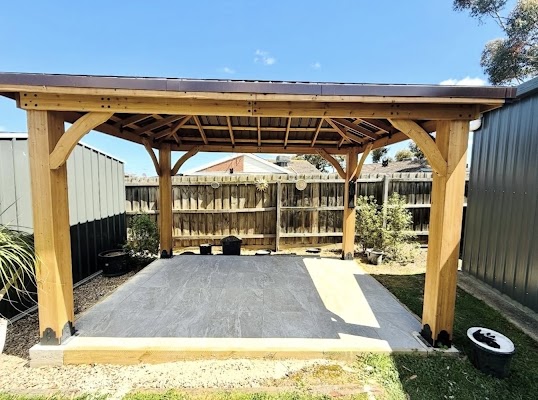
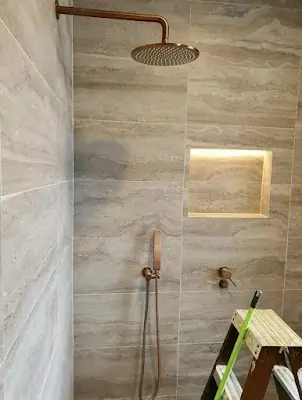
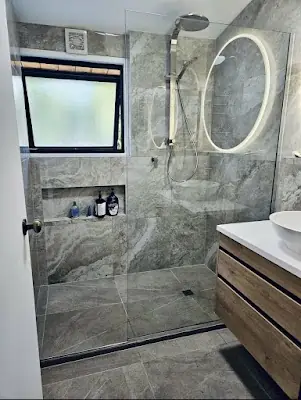
Walls can be more decorative. You could use shiny subway tiles, mosaic accents or even a marble feature wall to jazz things up. If tiling a shower, remember the 1800 mm rule above (or up to the ceiling, whichever is lower). A glass shower screen or curtain won’t protect past that height.
When planning a bathroom makeover, have a waterproofing inspection line on paper. Mark where your floor wastes and drains go, and let your tiler or plumber know. Tiles and grout aren’t water barriers; it’s the membrane and grout seal that keep water out. Always make sure your tiler is licensed for waterproofing (in Victoria, gluing on tile without waterproofing isn’t allowed). Melbourne tiling services should give you a certificate of compliance for wet areas it’s worth insisting on.
Hiring Tiling Experts: Do’s and Don’ts
A flawless tile job is all in the prep. Before work starts, double-check the tiles themselves: are they the right colour, size and batch? As the Australian Tile Council advises, all delivered tiles should match in shade and calibre. Lay out a few from different boxes on the floor to make sure you’re happy with the look. Also account for about 10% extra for cuts and mistakes.
Once you have selected your Wall and Floor Tiles, hiring a professional for wall and floor tile installation is the next step. Follow these friendly tips:
Get a written quote. This helps avoid surprises. A good tiler like Global Tiling Company will itemize labour, materials and waterproofing. Compare 2–3 quotes to gauge the fair price. Remember: the cheapest quote may not be the best work.
Check references and licenses. Ask potential tilers for recent customer contacts or see samples of finished jobs. Confirm they have current insurance and licences (even though small tiling jobs under $10k in VIC don’t legally need a licence, it’s wise to work with a fully certified tiler). Professionals should be proud of their trade.
Agree on details. Before laying a single tile, clarify the tile pattern, grout colour, joint width and where any decorative borders or movements joints go.
A short list like this keeps things simple, but the key is communication. A good tiler will check in with you as they work. For example, make sure they check each tile for defects if a broken one goes down, it can ruin the vibe. Once tiles are set, it’s hard to change them, so any problems noticed later will cost extra to fix.
When browsing Melbourne tiling services, experienced companies like Global Tiling Companies often showcase examples of successful wall and floor tile installation projects. (like smooth herringbone floors or tiled kitchens). Seeing before/after photos and reading reviews can give confidence that the company knows local building quirks. In short: plan ahead, ask questions, and don’t rush the process.
Caring for Your Wall and Floor Tiles
Once your tiles are in, you’ll want them to stay looking sharp. Cleaning porcelain or glazed ceramic is a breeze, a quick mop with pH-neutral cleaner usually does it. Avoid harsh scrubbers on shiny tiles. For matte or textured tiles (especially on floors), vacuum or sweep regularly to remove grit that could scratch the surface.
Some natural or unglazed tiles may need occasional sealing. Think of this like “waterproofing part 2”: it helps block stains and moisture from seeping in. If you have any stone tiles (marble, travertine, slate), ask your tiler about applying a sealer. Even some porous ceramic tiles suggest a light sealant after grouting, per manufacturers’ advice.
As Melbourne’s climate changes with seasons, keep an eye on grout lines and silicone seals. If you see mildew or cracked grout in a bathroom, clean it right away. Fresh grout or replacement sealant is cheap compared to letting water get behind tiles. And remember, never use acidic cleaners (like straight vinegar) on tiles, they can dull the finish. Regular care will keep your walls gleaming and floors safe for years.
Conclusion
Choosing the perfect Wall and Floor Tiles comes down to matching style with practicality, durability, and design preferences. Remember: floor tiles must be tough and slip-resistant, while wall tiles can be more decorative. Porcelain wall and floor tiles usually win for wet or high-traffic areas thanks to their low water absorption, whereas ceramic wall and floor tiles let you play with colour and pattern at a lower cost.
Always follow Australian standards, prep your floors, waterproof your wet areas, and check those P-ratings for safety. In Melbourne’s climate, a well-installed tile (with proper membrane and seal) protects your home and looks stunning.
In a nutshell, pick tiles that suit your lifestyle: durable textures for active households, classic neutrals for a timeless look, or bold mosaics for a pop of personality. And don’t forget to hire a pro . A licensed tiler will ensure the job meets the NCC and AS standards, saving you headaches later.
Global Tiling Company brings all of these pieces together for you. If you’re in Melbourne and dreaming of stylish Wall and Floor Tiles with expert wall and floor tile installation, give us a call. Our team specialises in bathroom wall and floor tiles, porcelain wall and floor tiles, ceramic wall and floor tiles, and complete Melbourne tiling services. Our expert team handles everything from design advice to perfect installation, backed by years of experience. Let us take care of the hard work so you can simply enjoy beautiful, durable tiles. Contact Global Tiling Company today and step confidently into your new tiled space!
FAQs
Should bathroom floor and wall tiles match?
No, bathroom floor and wall tiles do not have to match. Many homeowners combine different styles, colours, or textures to create visual interest while maintaining a cohesive overall design.
Are porcelain wall and floor tiles better than ceramic?
Porcelain tiles are generally more durable, water-resistant, and suitable for high-traffic or wet areas. Ceramic tiles are often more affordable and work well on walls and light-use floors.
How do I choose tiles for Melbourne’s climate?
Choose tiles that offer good water resistance and slip resistance, especially for bathrooms and outdoor areas. Porcelain tiles are a popular choice due to their durability and ability to handle Melbourne’s changing weather conditions.
Can floor tiles be used on walls?
Yes, floor tiles can usually be installed on walls because they are designed to be strong and durable. However, wall-only tiles should not be used on floors unless they are specifically rated for floor applications.
Why hire professional tiling services in Melbourne?
Professional tilers ensure proper surface preparation, waterproofing, and installation techniques for a long-lasting finish. Their expertise helps prevent issues such as cracked tiles, uneven surfaces, and poor grout alignment.